Building a balanced plate
Different foods. A shared set of groups.
I can sort foods and explain what this model can show.
 Open image full size
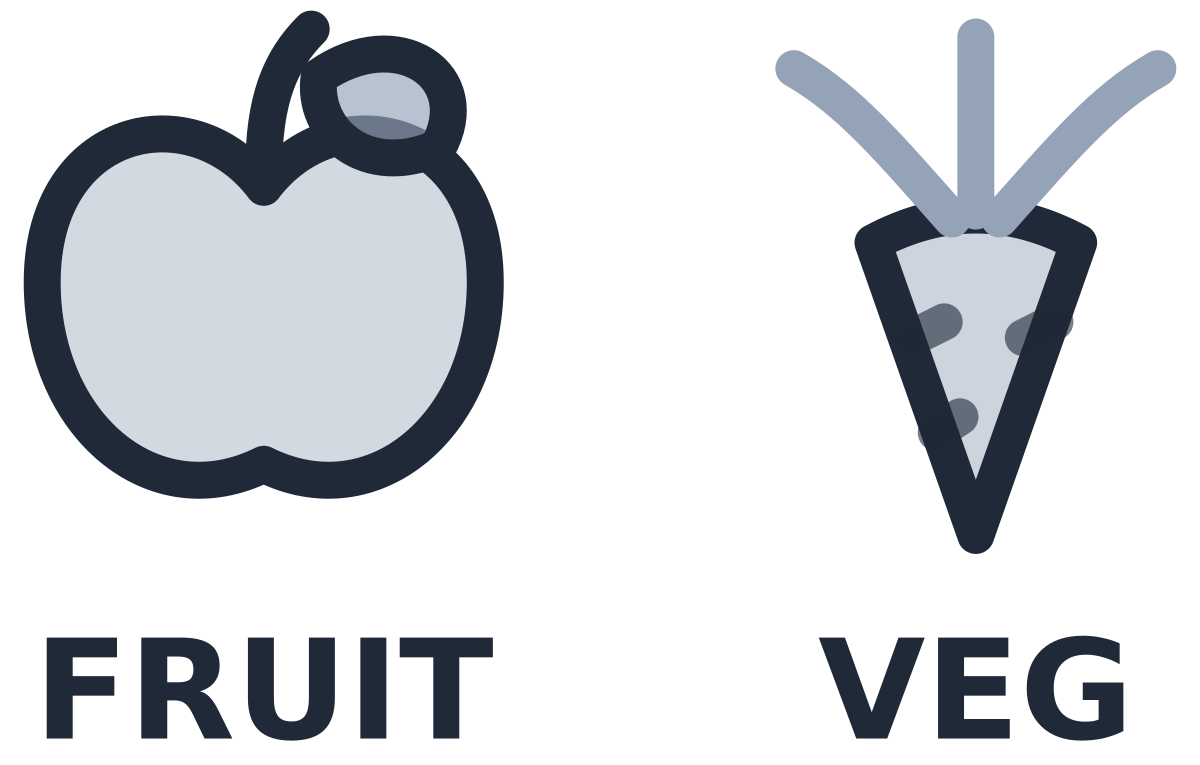
Five broad food groups
| TWO LARGE GROUPS | OTHER GROUPS |
|---|---|
| Fruit and vegetables Starchy carbohydrate foods | Protein-source foods Dairy and alternatives Oils and spreads |
Open image full size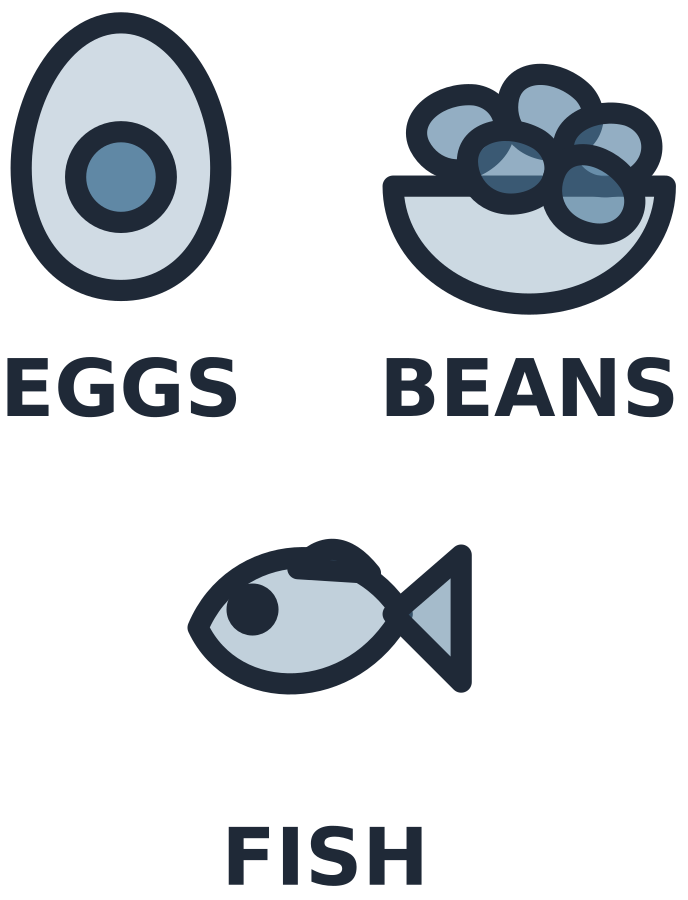 Open image full size
Place one food, explain its group
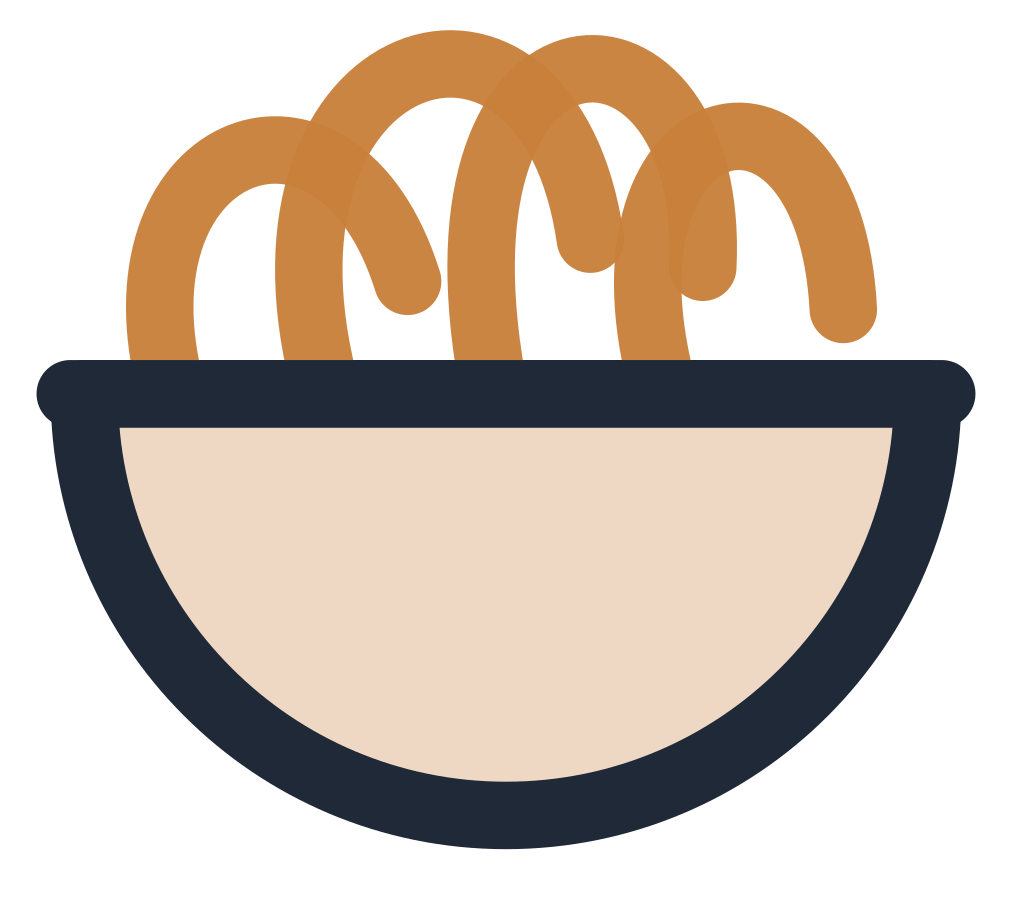
Pasta belongs with starchy carbohydrate foods, such as bread, rice and potatoes.
The group is about the food’s broad place in this model.
 Open image full size
Where do these four cards go?
Now place the other four cards
Chicken and beans
Milk and fortified soya alternative
Name the group; then check the labels.
 Open image full size
Explain it without a vague label
A balanced pattern includes a range of food groups over a day or week.
One plate of cards cannot show all a person’s food needs.
 Open image full size
Use the controls or left and right arrow keys. Printing includes pupil content; model answers remain separate.