GROWScience
Lesson overviewGROW · Week 6

Earth and the planets

Order. Orbit. Explain.

Describe how Earth and the other planets move around the Sun.
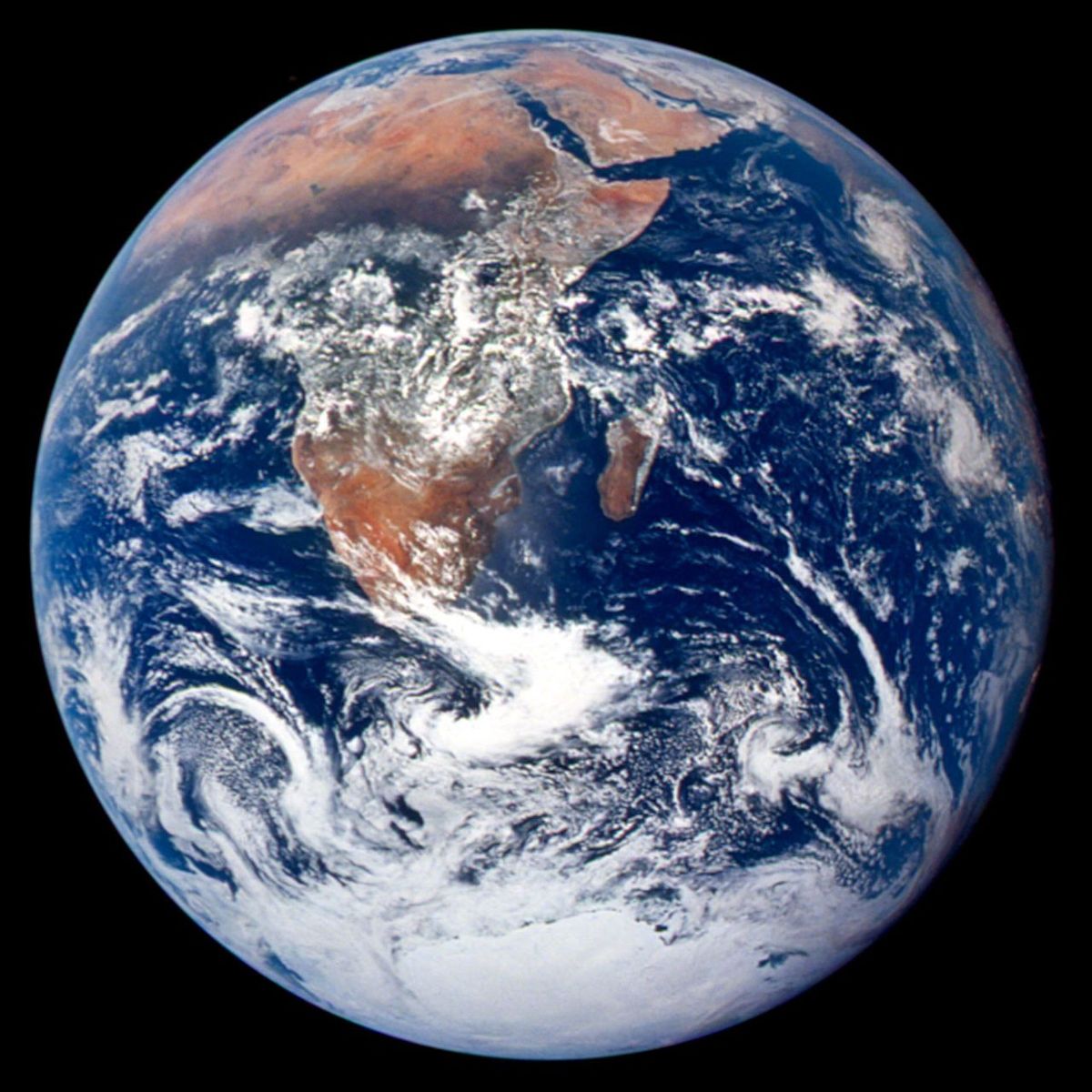
Earth seen from space, showing continents, oceans and cloud.Open image full size
Earth and the planetsSlide 1 of 13
You Do · practiseGROW · Week 6

Start with the planets you know

Supported: order Mercury, Venus, Earth and Mars.

Standard: write the first four planets from the Sun.

Stretch: try all eight planets in order.

Earth and the planetsSlide 2 of 13
I Do · learn and modelGROW · Week 6

Three things to work out

1 Get the order right.

2 Model an orbit.

3 Explain what keeps the path curving.

Earth and the planetsSlide 3 of 13
I Do · learn and modelGROW · Week 6

Eight planets, one order

ROCKY INNER PLANETSOUTER GIANTS
Mercury Venus Earth MarsJupiter — gas giant Saturn — gas giant Uranus — ice giant Neptune — ice giant
Earth and the planetsSlide 4 of 13
I Do · learn and modelGROW · Week 6

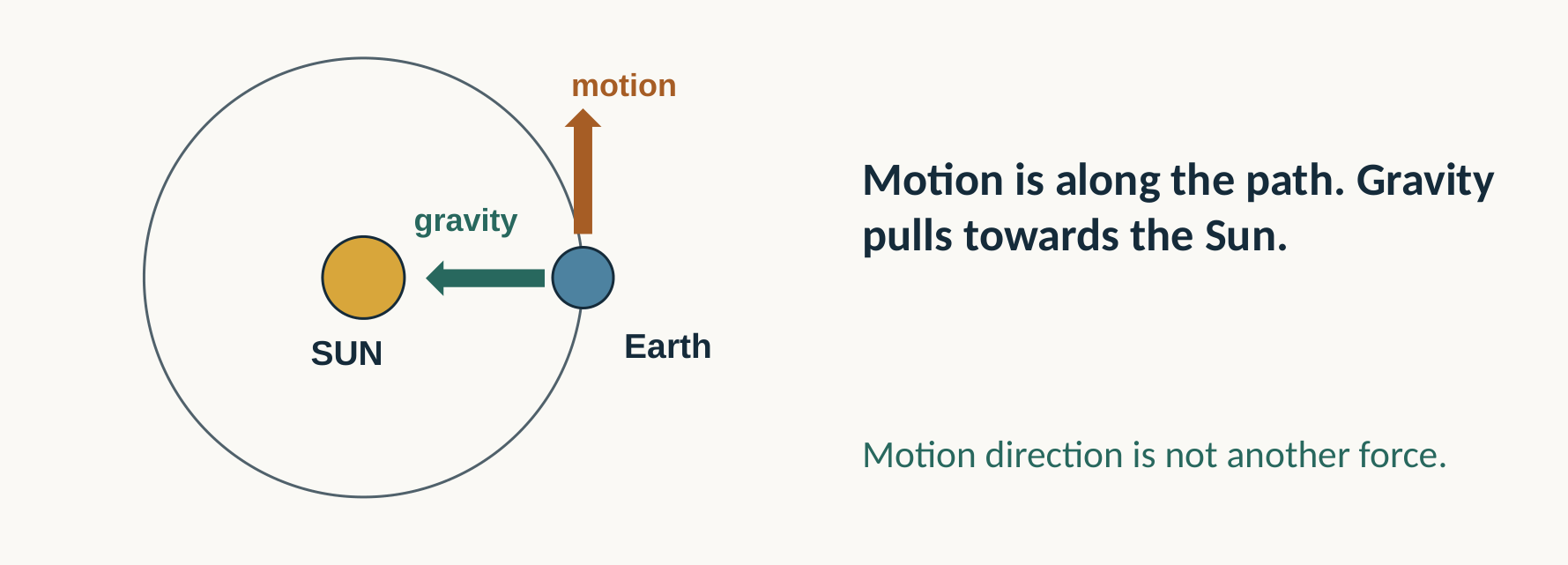
Gravity changes the direction

Earth is shown at the right of a circular orbit. Its motion arrow points upwards along the path, while the gravity arrow points left towards the Sun.
Original teaching-pack diagram and labels.
Open image full size
Read the slide text
Earth is shown at the right of a circular orbit. Its motion arrow points upwards along the path, while the gravity arrow points left towards the Sun. SUN Earth motion gravity Motion is along the path. Gravity pulls towards the Sun. Motion direction is not another force.
Earth and the planetsSlide 5 of 13
I Do · learn and modelGROW · Week 6

Move the model, then challenge it

Put a Sun label on the desk and an Earth counter beside it.

Move Earth around the Sun. At two places, reset both arrows.

If gravity vanished, trace the straight-on direction.

Earth and the planetsSlide 6 of 13
We Do · think togetherGROW · Week 6

Rocky or giant?

Mercury

Mars

Jupiter

Neptune

Which has the longer year: Earth or Mars?

Earth and the planetsSlide 7 of 13
We Do · think togetherGROW · Week 6

Check a reason, not just a label

CLASSIFICATION CHECKYEAR CHECK
Mercury and Mars: rocky Jupiter: gas giant Neptune: ice giantEarth: 365 Earth days Mars: 687 Earth days Mars takes 322 more days.
Earth and the planetsSlide 8 of 13
I Do · learn and modelGROW · Week 6

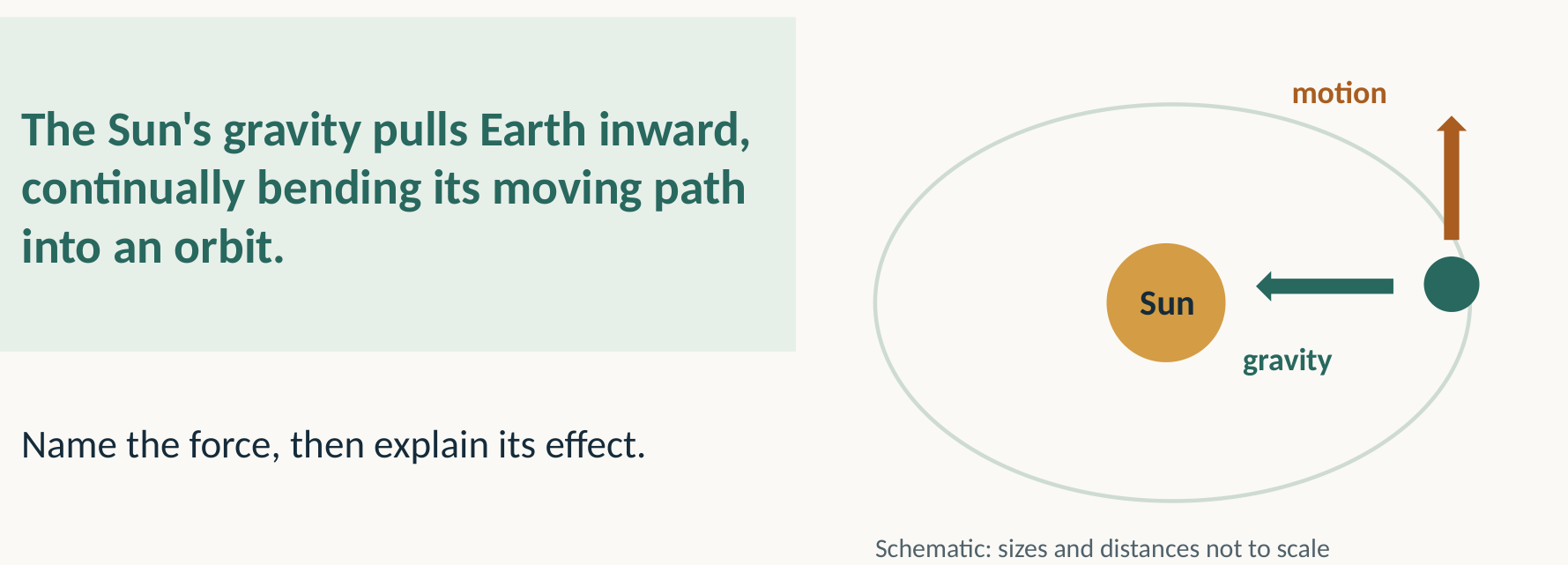
Build the explanation

Earth is shown at the right of a schematic orbit. Its motion arrow points upwards along the path and gravity points inwards towards the Sun. Sizes and distances are not to scale.
Original teaching-pack diagram and labels.
Open image full size
Read the slide text
Earth is shown at the right of a schematic orbit. Its motion arrow points upwards along the path and gravity points inwards towards the Sun. Sizes and distances are not to scale. The Sun's gravity pulls Earth inward, continually bending its moving path into an orbit. Name the force, then explain its effect. Sun gravity motion Schematic: sizes and distances not to scale
Earth and the planetsSlide 9 of 13
We Do · think togetherGROW · Week 6

Sort five statements

Planets orbit the Sun.

The Sun orbits Earth.

Gravity keeps the planets in orbit.

There is no gravity in space.

Further-out planets have longer years.

Earth and the planetsSlide 10 of 13
We Do · think togetherGROW · Week 6

Answers to the five claims

TRUE CLAIMSFALSE CLAIMS
Planets orbit the Sun. Gravity keeps them in orbit. Outer planets have longer years.The Sun orbits Earth. There is no gravity in space.
Earth and the planetsSlide 11 of 13
We Do · think togetherGROW · Week 6

Use time as evidence

Neptune's year is much longer than Earth's: about 165 Earth years for one orbit.

A year means one orbit, not always 365 days.

Earth and the planetsSlide 12 of 13
We Do · think togetherGROW · Week 6

Keep your orbit explanation

Label and keep today's order strip and explanation.

Next lesson: build the model and test year comparisons.

Choose one arrow or idea to check again.

Earth and the planetsSlide 13 of 13

Use the controls or left and right arrow keys. Printing includes pupil content; model answers remain separate.