People, action and impact
Which criterion makes a judgement defensible?
Rank contributions using a stated criterion, defend with evidence, and acknowledge a different reasonable judgement.
Use a detail. Explain what it supports.
Start with what you know
What is the difference between fame and impact?
Choose one criterion before ranking.
Keep your first judgement privately.
Words that help
| CRITERION | ENDURANCE |
|---|---|
| your judging rule. Reach: who was affected. | how long impact lasted. Concession: a valid point you recognise. |
Read the evidence, then judge
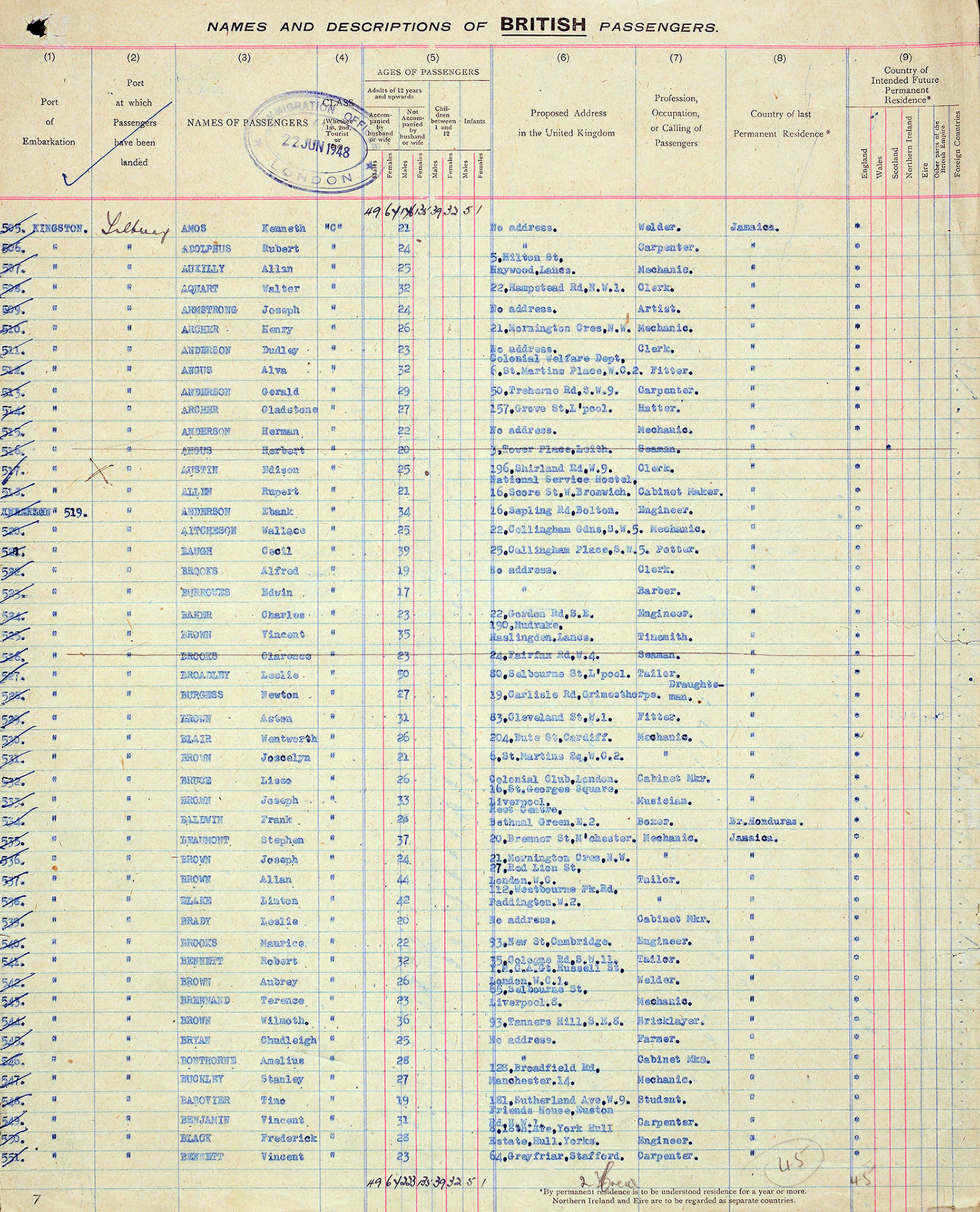
Watch a worked example
| A DEFENCE | A CONCESSION |
|---|---|
| B changed access to bus-crew work. | M offers a different kind of impact: direct care. |
Try one together
Compare O, M, B and R.
Rank using difference made.
Would national reach produce the same order?
Choose, then explain
Which concession improves an argument?
A. My choice is best under every possible test.
B. Another criterion could put a different card first.
Choose and explain which criterion.
Now it is your turn
| YOUR TASK | EXPLAIN |
|---|---|
| Name one criterion and rank four cards. Defend the top choice with evidence. | Explain one reasonable alternative ranking. |
Make the reasoning visible
Point to one detail you used.
Say how it helped your answer.
Name one thing it cannot show.
Keep your first answer for the check.
Check the reasoning
Reveal the checks after pupils have kept their first response.
Reveal the model
| DEFEND | QUALIFY |
|---|---|
| The evidence must answer your criterion. | Name what would change your judgement. |
Your voice shapes the next step
Choose one idea to share, or pass.
Your listener tells you what they heard.
Keep or change your idea; give a reason.
Tell us what would help you next time.
Before you go
State your criterion and strongest detail.
What would make you revise your order?
Show one detail that helped.
Choose a next step.
Use the controls or left and right arrow keys. Printing includes pupil content; model answers remain separate.